
What Adds Value to a Home Appraisal in Ottawa (and What Lowers It)
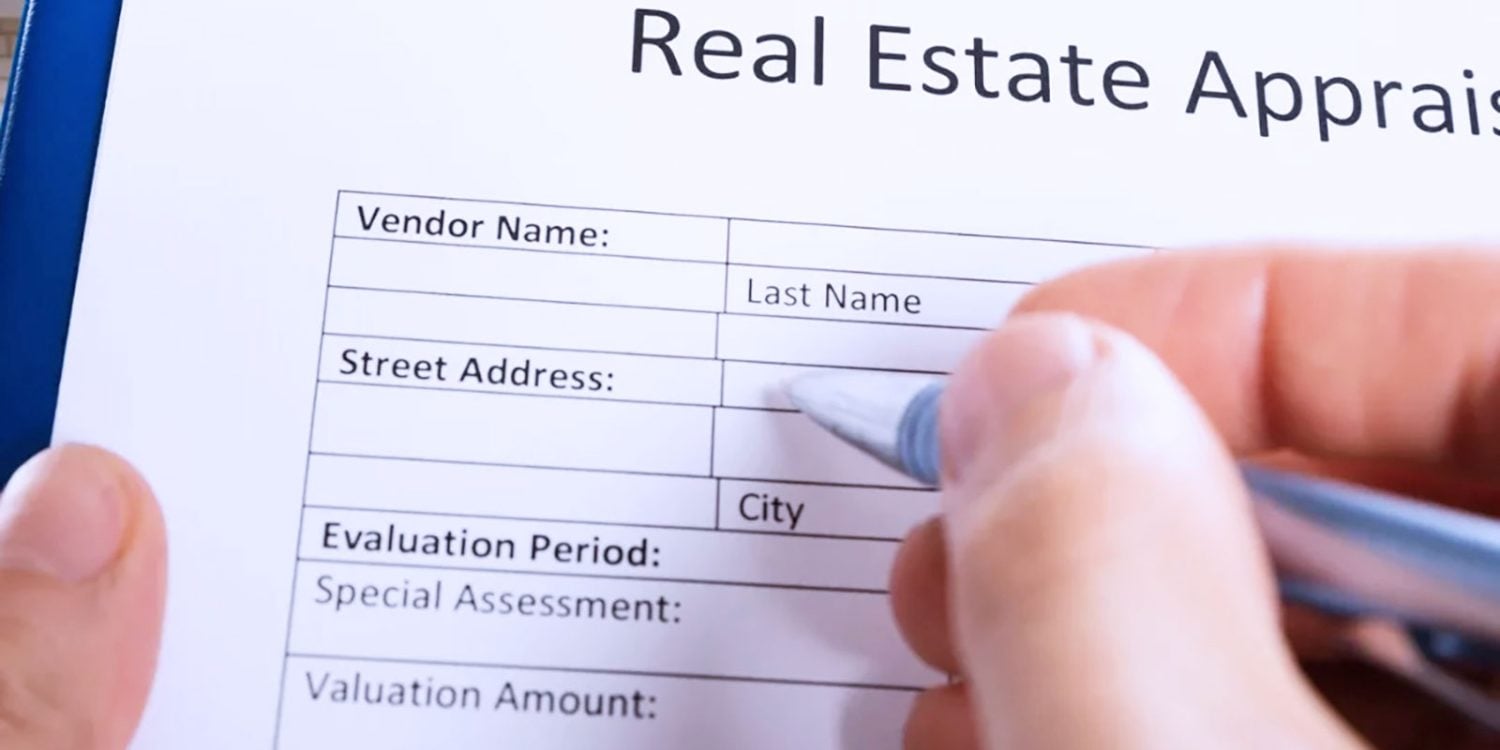
When homeowners think about increasing their properties value, renovations usually come to mind first. But when it comes to understanding what adds value to a home appraisal, value isn’t just about upgrades — it’s about how your home performs when viewed through a lender’s and appraiser’s lens.
Whether you’re preparing to sell, refinance, or simply planning ahead, understanding what adds value to a home appraisal, what’s checked during the process, and where homeowners often miss opportunities can make a meaningful difference.
This guide breaks it down clearly – including practical, cost-effective ways to improve appraised value and a few surprising factors many homeowners overlook.
What is Checked During a Home Appraisal?
A home appraisal is an objective assessment used by lenders to determine a property’s market value. In Ottawa, appraisers typically evaluate:
- Location and neighbourhood condition
- Lot size and exterior condition
- Interior layout square footage, and overall functionality
- Condition of major systems (roof, HVAC, windows, electrical)
- Recent comparable sales
- Level of maintains and visible wear
Importantly, appraisers don’t just look at what you’ve upgraded — they also consider what may be lowering your value. Common issues like deferred maintenance, outdated finishes, or poor flow can quietly reduce an appraisal, even in a strong market. That’s why many homeowners take time to review what could be lowering the value of your home before listing or refinancing, so they can address concerns proactively rather than reactively.
What Adds Value to a Home Appraisal?
Some improvements consistently perform well in appraisals because they reduce future risk or increase livability — both of which matter to lenders.
Key value-boosting factors include:
- Updated kitchens and bathrooms (even modest updates)
- Functional layouts that maximize usable space
- Energy efficient improvements
- Curve appeal and exterior condition
- Evidence of consistent maintenance
Homes that feel “move-in ready” — not just stylish — tend to appraise stronger especially when compared to similar properties in the same area.
Cheap Ways to Increase Value on a Home Appraisal
Increasing appraised value doesn’t always require major renovations. In fact, some of the most cost-effective improvements are the simplest:
- Fresh, neutral paint throughout
- Updated lighting fixtures
- Minor kitchen refreshes (hardware, faucets, backsplash)
- Deep cleaning and decluttering
- Landscaping clean-ups and exterior touch-ups
These changes help an appraiser’s focus on the home’s strengths rather than its flaws — which can positively influence overall valuation.
How to Increase Home Value for Refinance
When refinancing, lenders are especially focused on risk. Unlike a resale situation — where emotion and competition can sometimes drive pricing — a refinance appraisal is strictly about measurable value and market stability. Homes that demonstrate strong upkeep, updated systems, and consistent neighbourhood performance are more likely to appraise favourably.
Because the lender is reassessing your equity position, even small red flags can impact the final valuation. Before refinancing, homeowners can benefit from:
- Addressing visible wear or unfinished projects
Incomplete renovations, damaged trim, scuffed walls, or minor repairs may seem cosmetic but they signal maintenance. Appraisers interpret condition as a reflection of overall care.
- Updating outdated mechanical systems where possible
Roof age, furnace condition, windows, plumbing, and electrical systems all factor into perceived longevity. Even servicing and documenting maintenance can help strengthen the file.
- Ensuring permits and documentation are in order
If you’ve finished a basement, added a bathroom, or completed structural changes, proper permits and compliance documentation protect the added value. Without documentation, improvements may not be fully recognized.
- Understanding comparable sales before the appraisal
Knowing how similar homes in your area have recently sold helps set realistic expectations and highlights where your property stands within the market.
If your goal is to increase home value by $50,000 over time, the strategy usually isn’t one dramatic renovation. Instead, it’s a layered approach: improving functionality, maintaining systems proactively, enhancing curb appeal, and aligning upgrades with what buyers — and lenders — consistently value in your neighbourhood. Strategic timing also matters; refinancing value during periods of stable or rising demand can further support appraised value.
Four Surprising Factors That Can Affect a Home Appraisal
Some appraisal influences aren’t immediately obvious — yet they can materially impact the final number.
- Neighbourhood sales activity — even outside your immediate street
Appraisers often pull comparable sales within a defined radius. A distressed sale or unusually low transaction nearby can affect perceived value, even if your property is superior in condition.
- Functional layout — not just square footage
Two homes with identical square footage can appraise differently if one has awkward flow, undersized rooms, or poor use of space. Layout efficiency often matters as much as total size.
- Storage and utility space
Well-designed storage, organized mechanical rooms, finished basements, and garage functionality add practical value. Conversely, cluttered or poorly maintained utility areas can detract from overall impression.
- Market segment demand shifts
What buyers are actively searching for influences appraisal strength. For example, in some seasons, move-in ready homes command stronger comparisons than upper-fixers. In other cycles, larger suburban properties may outperform smaller urban units.
Because these factors are dynamic and hyper-local, working with a knowledgeable Ottawa realtor who understands neighbourhood-level trends can help homeowners prepare strategically. Rather than relying on generic advice, reviewing your property through the lens of current market behavior allows you to make improvements that are aligned with real demand — not assumptions.
Appraisal Considerations for Waterfront and Cottage Properties
Appraisals can become more nuanced when it comes to cottage buying or waterfront homes. Factors such as year-round access, water quality, zoning, and comparable sales play a larger role.
If you’re considering a waterfront property for sale in Ontario or specifically a waterfront property for sale in Ontario, Canada, preparation is key — especially since comparable data can vary widely.
How Location Impacts Appraised Value in Ottawa
Appraisals are deeply influenced by location. Demand patterns differ significantly between urban neighbourhoods, suburban communities, and rural or recreational areas — and each is evaluated through its own market lens.
For example, buyers searching for houses for sale in Stittsville, Ontario, downtown Ottawa condos, or waterfront properties are assessed against different comparable benchmarks. Reviewing current and present activity can provide valuable context, whether that means exploring the latest Ottawa MLS listings to understand overall inventory levels, browsing luxury homes for sale in Ottawa to evaluate high-end market trends, or analyzing entry level opportunities such as listings under $350,000 and homes between $450,000 and $500,000 to gauge demand in specific price brackets.
Understanding how your property fits within these active segments helps position it more accurately when preparing for appraisal.
Final Thoughts: Appraisal Value is About Preparation, Not Guesswork
Whether you’re selling, refinancing, or planning your next move, understanding what increases value on a home appraisal allows you to act intentionally — not reactively.
The strongest results come from knowing:
- What appraisers actually evaluate
- Where value is gained or lost in your specific market
- Which improvements align with your goals
If you’re unsure where to start, a knowledgeable Ottawa realtor can help you assess readiness, prioritize upgrades, and align your plans with real market conditions — whether that’s for a primary home, a cottage, or a waterfront property.